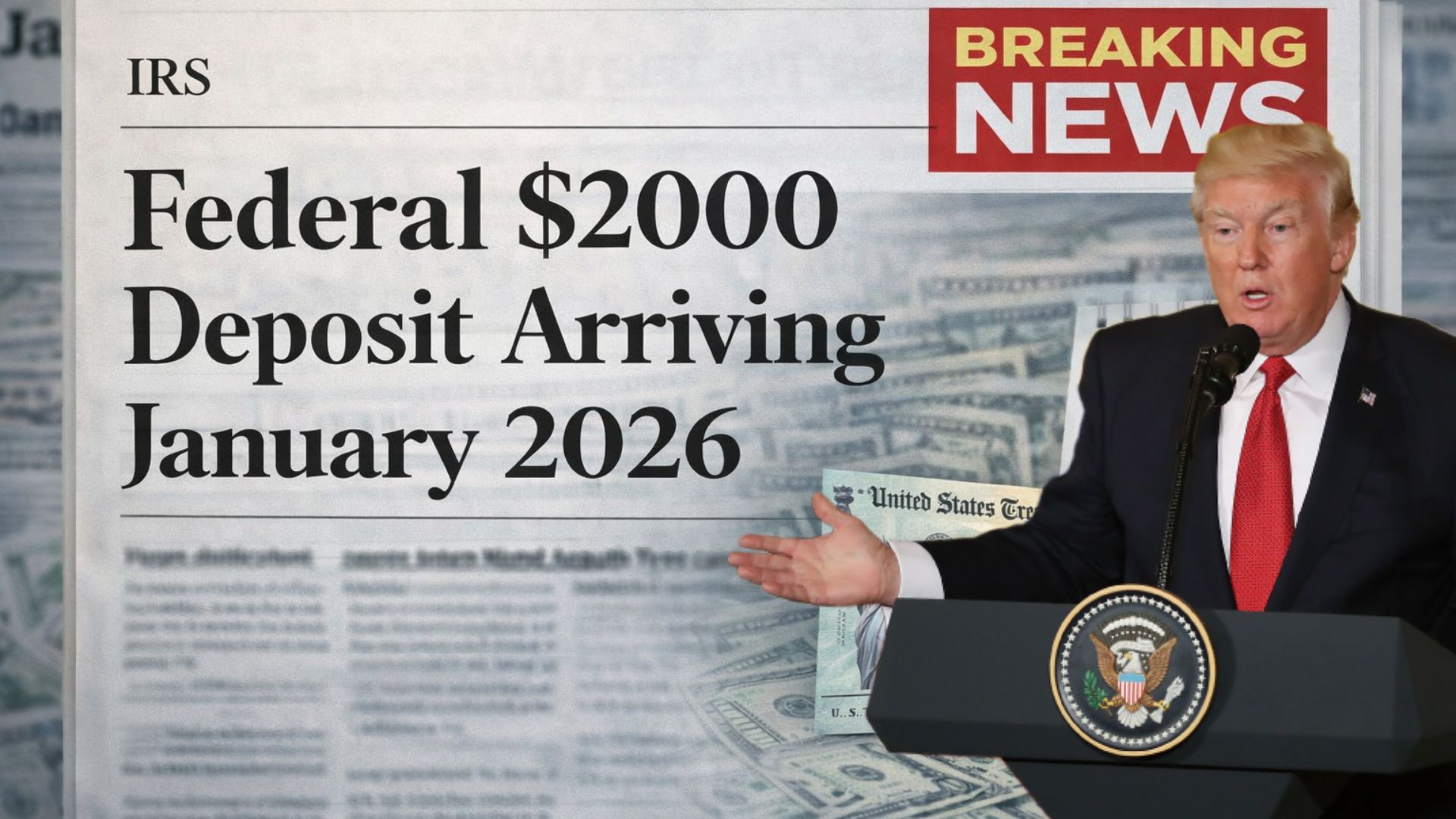
As January 2026 approaches, talk of a “federal $2,000 deposit” is once again spreading across the United States. Messages circulate through social media, video platforms, and private chats, often claiming that a confirmed payment is on the way. For families dealing with high living costs, medical bills, and ongoing inflation, the idea of sudden financial relief feels believable. However, this growing buzz is largely driven by confusion rather than confirmed policy.
Why the $2,000 Deposit Rumor Keeps Returning
The idea of a $2,000 federal payment is deeply rooted in the pandemic years, when emergency stimulus checks arrived quickly and unexpectedly. Those payments changed public expectations. Since then, whenever economic pressure rises, the same figure tends to resurface. Over time, the number itself has become symbolic, representing hope rather than an actual policy decision.
How Online Misinformation Fuels Belief
Recent political discussions and opinion pieces have added fuel to the rumor. Proposals or speculative ideas about tax relief are often shared online without context. Once shortened into headlines or thumbnails, these ideas appear more definite than they really are. As posts are reshared, explanations disappear and only the promise of money remains, making the claim sound official.

What Official Sources Actually Say
Despite widespread online claims, there has been no announcement from the IRS or the U.S. Treasury confirming a nationwide $2,000 deposit scheduled for January 2026. No law authorizing such a payment has passed, and no federal budget includes funding for a program of this size. Large federal payments do not happen quietly, and the absence of official communication is a strong sign that this deposit does not exist.
Why Some People Still See $2,000 Deposits
Confusion increases because early 2026 overlaps with normal financial activity, especially tax refunds. Many taxpayers receive refunds around $2,000 due to refundable credits or overpaid taxes. When these deposits appear with a government label, they can easily be mistaken for stimulus-style payments. Amended returns or delayed refunds can also arrive unexpectedly, reinforcing false assumptions.
Targeted Payments Add to the Confusion
Some federal payments are real but limited to specific groups. Veterans, military families, and certain federal employees may receive adjustments or back pay. Online posts often highlight the dollar amount but ignore eligibility limits, leading many to believe the payment applies to everyone.
यह भी पढ़े:
 IRS Confirms $2,000 Direct Deposit for January 2026 : Know Your Payment Dates and Eligibility Guide
Risks of Believing the Rumor
Persistent rumors create opportunities for scams. Fake messages claiming to help “release” or “verify” the January 2026 deposit have already appeared. These often pressure people into sharing personal or banking information. Financial stress makes people more vulnerable, and repeated false claims can weaken public trust over time.
What to Expect Going Forward
If a real federal payment were approved, it would follow a clear public process involving legislation, official announcements, and published eligibility rules. Until that happens, any claim of a universal $2,000 deposit should be treated with caution. Future relief, if introduced, is more likely to be targeted rather than universal.
Disclaimer:
This article is for informational and journalistic purposes only. It does not constitute financial, tax, or legal advice. Federal policies, benefit programs, and payment schedules may change. Readers should rely on official government sources or consult qualified professionals for guidance specific to their situation.